
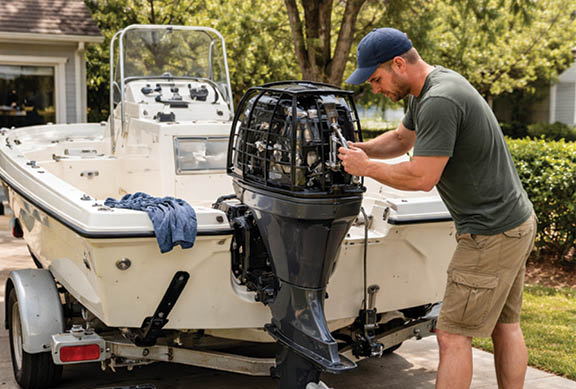
Annual maintenance is the key to staying on the water
 I ran my first kayak tour around Crab Bank in the spring of 2010. I was instantly enamored with the birds scurrying along the shore, preparing for nesting season. In the years that followed, I celebrated with the baby pelicans as they made their way out of the nests and again, the first time they were brave enough to push their heads under water, mimicking their parents who patiently showed them the basics of plunge diving. I smiled at the young skimmers with their fluffy heads and long beaks. I cheered with the shorebirds running from the waves pushing up on the sand. Countless hours were spent floating around the island quietly observing, teaching tourists and locals alike, and explaining the importance of rookeries like Crab Bank – and conservation as a whole.
As the weather starts to warm up, I can’t help but start planning outside adventures. We spend the winter dreaming of sandbar days, slow sunset boat rides, sunrise beach walks, and floating in the creeks—anything and everything outside. Then spring shows up with those two-ish perfect weeks of mid-70s weather and no pollen (yet), and suddenly it’s time.
If your boat has been tucked away for the winter, now is the moment to dust it off. Boats are a lot like cars: when you use them regularly, they tend to behave. When they sit for long stretches, trouble tends to pop up at the worst possible time—usually when the weather is perfect, and the kids and cooler are already loaded into the car.
We like to start with the basics. A good rinse and scrub go a long way after months of sitting. Salt, grime, and leaves have a sneaky way of settling into every corner. While you’re scrubbing, give the boat a once-over and look for anything that doesn’t seem quite right.
Annual maintenance is key. Engine service schedules run on hours or time. Even if you didn’t log many hours last year, most manufacturers recommend a full service once a year. That includes oil and filter changes, spark plugs, and an inspection of belts, pumps, and other components you don’t think about until they fail.
Preventative maintenance may not be exciting, but it’s far better than troubleshooting at the dock while the kids are crying. We’ve all been there.
If you didn’t schedule fall service, get ahead of the curve and call sooner rather than later. Once the weather turns warm, marine shops fill up quickly. You’ll be ready to roll when that perfect calm Saturday arrives!
Don’t forget safety gear. Check expiration dates on flares, test your horn, and make sure everyone has a properly fitting PFD. It’s easy to overlook the emergency kit during the off-season, but spring is a good time to refresh it. (Pro tip: We keep two on board. A small kit with band aids and light first aid, and one full heavy duty kit we never touch so we know it’s ready in the event of a serious emergency.)
Snacks. Easily my favorite part of boat prep. No boat trip is complete without them. We like to keep a stash on board for those long days out!
Spring in the Lowcountry doesn’t last long before the heat and humidity remind us who’s in charge. So if you’ve been thinking about getting back out there, consider this your nudge. Give the boat a little attention now, and you’ll be ready when the creeks start calling.
Found something and want to know more about it? Send a photo to saltmarshadventure@gmail.com for help identifying and a chance to be in the next Creature Feature!