
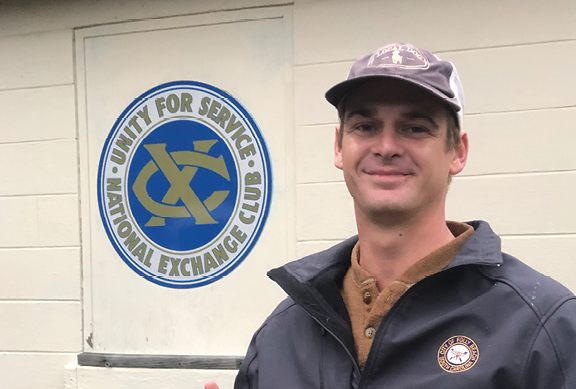
Remembering John Merritt’s selfless commitment to community
special to The Current
On March 15, Folly Beach said goodbye to a man whose life was defined by outward service and commitment to others.
John Frederick Merritt Jr. carried with him a strong sense of discipline and teamwork from an early age. Born in Belleville, IL, Merritt was a standout baseball player through high school and college; he later channeled that same drive into both his professional life and his dedication to the Folly Beach community.
Merritt built a career as a licensed realtor specializing in resort properties, but it was his civic involvement that left perhaps the deepest imprint locally. He served as secretary of Masonic Lodge #396, held a seat on the Folly Beach Planning Commission, and was active in multiple community organizations, including the Folly Beach Civic Club, and the Folly Beach Exchange Club, where, like his grandfather before him, he served as the organization’s president.
He also stepped forward as a candidate for Folly Beach City Council — a reflection of his belief in local government and his desire to shape the future of the island he called home.
Even outside of formal roles, Merritt found ways to serve. He frequently operated video equipment for City Council meetings, helping ensure transparency and access for residents who couldn’t attend in person. It was a small but meaningful contribution that spoke to his broader commitment to civic life.
Beyond his public service, Merritt was deeply rooted in his faith. A devout Catholic, he was a member of his church choir and carried his beliefs into his daily life with humility and purpose. He also worked as a park ranger in Charleston County, combining a love of the outdoors with a dedication to public service.
Those who knew him describe a man who was steady, kind, and generous with his time — someone who believed not only in community, but in actively showing up for it.
In Merritt, people are left with a reminder that the impact of engagement and how one person’s willingness to serve can ripple outward in ways both seen and unseen.